Running a start-up often feels like trying to hang on to a fast moving train – one that shifts tracks constantly.
In a time of constant change, pivoting the business has become a natural order of things for both small start-ups and large organisations. The “pivot point” that usually takes place early for startups and at later stages for established companies is often in response to shifts in market conditions, consumer demands, evolution of technology and the economy. However for start-ups, there are often only two choices, reinvention or extinction.
The dictionary defines reinvention as “to make major changes or improvements to (something).” A major part of an entrepreneur’s role in spearheading a successful start-up is knowing when this change is inevitable and preparing for it well in advance.
The grace with which successful start-ups and entrepreneurs reinvent themselves is dictated by how they acknowledge and accept reinvention by choice, plan and take action and face the next survival challenge brought on by a rapidly disrupting world.
But sometimes, adaptation requires you to fundamentally alter the business model.
I know this from personal experience
In my case, I started out as a social and ethical entrepreneur investing in women-led businesses and causes. After a few years, I realised that it was time to evolve the model to a more sustainable option. One that helped create jobs and encouraged women to get into business at the same time – an angel investor.
It wasn’t an easy transition – particularly as there were no women-focused angel investors when I started. Also, unlike today when many young women are raising capital, four years ago there were hardly any women founders asking for money. For me, adaption required fundamentally trying to change certain aspects of the start-up landscape.
In my experience supporting high-risk start-ups, I have always maintained that to harness a truly entrepreneurial culture, in addition to innovation, jobs, ideas and disruption, we need to give failure and reinvention equal limelight and importance. Preparing for and tackling reinvention head-on is especially critical to the long-term success of the startup sector in Australia, given the high rate of ‘fear or failure’ prevalent in the country.
What you should keep in mind
Here are a few simple considerations on reinventing yourself and your business:
Knowing when to change is often the hardest part. My move into the angel investment space came when I noticed the lack of financial support for women entrepreneurs in the market. It was an outside-in view gleaned from speaking to people around me and understanding what was working and what wasn’t. Reinvention starts with entrepreneurs taking a step back and evaluating the business from a different perspective and being open to honest feedback from those around them.
Bring in or engage with people who possess complementary skills and passions. Be open to challenges and challenge them as well so you both can grow. Encouraging growth betters you, and them. It is important to be surrounded by people who inspire you, motivate and help you to believe in yourself.
Take quick action. Reinvention is often uncomfortable and entrepreneurs tend to delay it if they can. The stress of change is compounded by procrastination. Giving something your best shot and failing is better than a ‘what if’ situation.
In the start-up world, a business reinvention often goes hand in hand with personal reinvention. Entrepreneur personalities affect the future of a startup – more than many founders want to believe. When faced with challenges and failures, it is important to understand the source of these setbacks and how deeply the entrepreneur is connected to it.
All in all, change is inevitable. How prepared you are for it and how you pre-empt it is what distinguishes leaders from the followers.
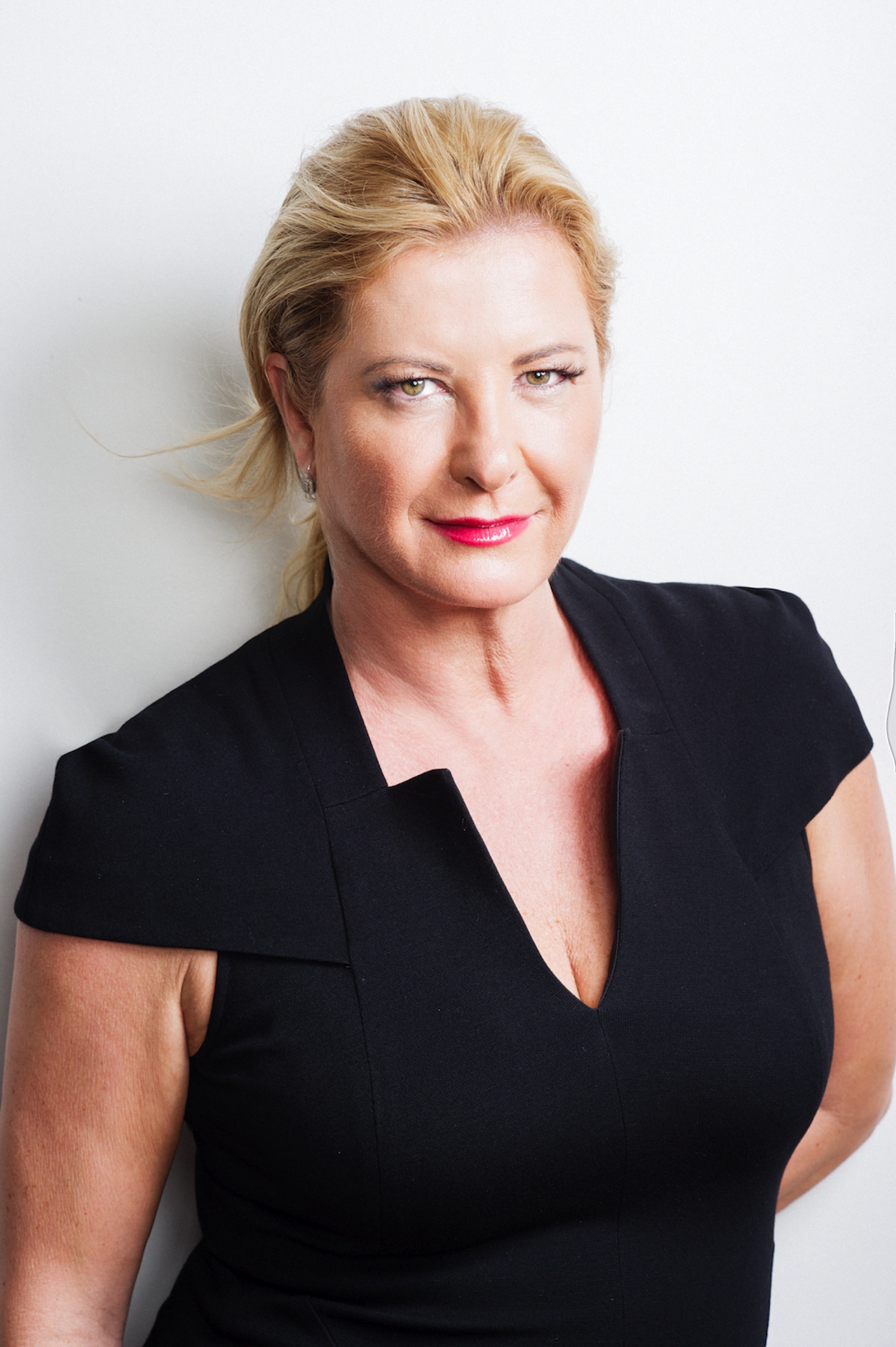
Renata Cooper is an angel investor and CEO of Forming Circles Global
How great of a challenge do Australian entrepreneurs face in trying to set up their own businesses? You won’t want to miss this special edition podcast, featuring eight (count ’em, eight!) influential investors and start-up specialists and their insights on promoting a healthy venture capital industry in Australia.
The new digital marketplace connects boutique, florists with customers in a hyper-local model, to bring the magic back to buying flowers. “The way people buy flowers online right now doesn’t reflect the magic of the moment,” says founder and CEO, Leah Pooley.
The new site, Hub Hyde Park, chosen for its close proximity to Sydney’s CBD and size, will have a strong focus on catering for growing businesses with a variety of private, dedicated and flexible workspaces.
Most copywriters know the feeling; you’ve been hired to write a lengthy website for a company, but you’ve been given no or very little information about their services, their history or their products. How are you supposed to fill up 5 pages when you basically know nothing about what the company does?
Did you know that we are drinking less beer? Yes, it is totally true! Back in 2003, the average Australian consumed 110 litres of the golden brew. Fast forward to 2013, this has fallen to 95 litres! This fall in consumption of beer over the past decade has forced our local beer manufacturers, pubs, bars…
On World Sight Day, judges of the University of Queensland (UQ) Business School’s $100,000 Enterprize competition finals voted resoundingly for an innovation that could control the world’s single largest cause of blindness – cataract, a clouding of the eye’s lens among older populations. Calpain Therapeutics, an Adelaide startup that has developed a drug that can slow the onset of cataract, won the nation’s richest business plan competition, ahead of four others shortlisted.